Abstract Geometric Background: A Versatile Design Element for Modern Spaces
The Abstract Geometric Background has emerged as a powerful and versatile design element, blending creativity with functionality. This design style is characterized by its use of shapes, patterns, and colors to create visually striking compositions that can be applied across various mediums—from textile and fabric to web design and wallpaper. Its appeal lies in its ability to offer a balance between decorative flair and modern minimalism, making it suitable for both retro and contemporary aesthetics.
Understanding the Abstract Geometric Background
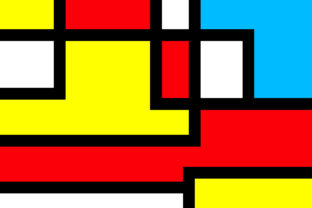
An Abstract Geometric Background typically features colorful arrangements of shapes such as triangles, squares, diamonds, and mosaics, often in repeating patterns. These designs are usually created using vector graphics or graphic elements that allow for scalability without loss of quality. Unlike traditional grunge or texture-based backgrounds, this style avoids gradients and transparency, focusing instead on bold, color-rich visuals that stand out against white, gray, or light surfaces.
What makes this background unique is its creative approach to pattern design. It allows for decor that feels simple yet dynamic, offering a sense of movement and energy through geometry. Whether used as a backdrop in interior design or as part of fashion illustrations, the abstract nature of these designs ensures they remain visually engaging without overwhelming the viewer.
Comparing Abstract Geometric Background with Other Design Styles
When considering options for background design, the Abstract Geometric Background stands apart from other styles such as minimalist, organic, or photorealistic approaches. While minimalist designs prioritize simplicity and clean lines, the Abstract Geometric Background introduces complexity through color and shape variation, making it more decorative and ornamental.
In contrast to organic designs that mimic natural forms like leaves or waves, the Abstract Geometric Background offers a structured and modern feel. This makes it particularly well-suited for environments where order and precision are valued, such as in technology interfaces or concept art for games and apps.
Compared to photorealistic backgrounds, which aim to replicate real-world scenes, the Abstract Geometric Background provides a more stylized and artistic alternative. This can be advantageous when the goal is to create a visual identity that is unique and memorable, rather than realistic.
Strengths and Tradeoffs of Abstract Geometric Background
The Abstract Geometric Background has several strengths that make it a popular choice among designers and artists. One of the most significant advantages is its versatility. It can be adapted to a wide range of applications, including textile design, web development, interior decor, and print media. The use of color and shape allows for customization that can match almost any color scheme or style preference.
Another strength is its modern and retro appeal. The geometric shapes and pattern repetition evoke a sense of history while also feeling contemporary. This duality makes it a great option for spaces or projects that want to blend traditional and innovative elements.
However, there are also some tradeoffs to consider. The colorful nature of Abstract Geometric Backgrounds may not be suitable for all environments. In settings where calmness and serenity are desired, such as meditation rooms or reading areas, the vibrant colors and shapes could be distracting. Additionally, while the pattern repetition adds visual interest, it can sometimes lead to overstimulation if not balanced properly with other design elements.
Best-Fit Situations for Abstract Geometric Background
The Abstract Geometric Background is best suited for situations where creativity and expression are key. For instance, in fashion design, it can serve as a texture or pattern that adds dimension to clothing or accessories. In interior design, it can be used as a wall decoration or backdrop that enhances the style of a room without being too overwhelming.
For digital design, the Abstract Geometric Background is an excellent choice for websites and mobile apps that require a modern and eye-catching look. It can help draw attention to content while maintaining a clean and professional aesthetic. In art and illustration, it can be used as a background that complements the main subject without competing for attention.
On the other hand, if the goal is to create a subtle or neutral background, the Abstract Geometric Background might not be the best option. In such cases, a solid or minimalist design could be more appropriate.
Creating Your Own Abstract Geometric Background
Designing an Abstract Geometric Background requires a balance between structure and creativity. Tools such as Adobe Illustrator, Figma, or even free software like Inkscape can be used to create vector graphics that feature geometric shapes and patterns. When designing, it's important to consider the color palette, the size of the shapes, and how the pattern will repeat across the background.
For those who prefer a more hands-on approach, using paper and cutting tools can also yield interesting results. Layering shapes and textures can add depth and dimension to the background, creating a mosaic-like effect that is both decorative and visually appealing.
Ultimately, the Abstract Geometric Background is a versatile and creative design choice that can enhance a variety of projects and spaces. Whether used in fashion, interior design, or digital media, it offers a modern and stylish way to add color and interest to any background without sacrificing clarity or functionality.