Foliage Pattern: A Versatile Design Element for Modern and Timeless Applications
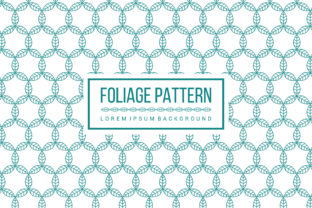
Foliage pattern is a design element that draws inspiration from the natural world, particularly the intricate forms and textures of leaves, flowers, and other plant life. It has been used for centuries in various artistic and decorative contexts, from ancient tapestries to modern digital illustrations. The Foliage Pattern, especially one featuring white paenia lactiflora leaves on a light background with a fresh green color palette, offers a visually appealing and versatile option for designers, artists, and homeowners alike.
This particular design combines the elegance of botanical elements with a minimalist aesthetic, making it suitable for a wide range of applications. The clean lines and organic shapes of the foliage create a sense of movement and flow, while the soft green tones evoke a feeling of freshness and vitality. Whether used as a wallpaper, fabric print, or graphic element, this Foliage Pattern can enhance any space or project with its natural charm and subtle sophistication.
Understanding the Appeal of Foliage Pattern
The appeal of a Foliage Pattern lies in its ability to blend the beauty of nature with contemporary design principles. This specific pattern, with its white paenia lactiflora leaves on a light background, embodies a unique combination of exotic and organic elements. The use of white against a light backdrop allows the intricate details of the leaves to stand out, creating a delicate yet striking visual effect.
Such a design is particularly well-suited for those who appreciate both minimalism and botanic aesthetics. It can be incorporated into various design styles, including retro, vintage, and even geometric patterns, thanks to its adaptability. The linear and silhouette-based approach of the Foliage Pattern ensures that it remains stylish without overwhelming the viewer, making it an excellent choice for backgrounds, textiles, and decorative elements.
For individuals looking to add a touch of nature to their living spaces, this pattern offers a subtle yet effective way to achieve that goal. Its seamless nature makes it ideal for large-scale applications such as wallpapers and floor tiles, where continuity and cohesion are essential.
Practical Applications of Foliage Pattern
The versatility of the Foliage Pattern extends beyond just interior design. It can be applied to fashion, textile design, and even digital graphics. In the world of fashion, this pattern can be used to create stylish and elegant clothing items, from dresses to accessories. The organic feel of the leaves complements fabrics like silk, cotton, and linen, offering a natural and flowing appearance.
In textile design, the Foliage Pattern can serve as a decorative element in curtains, upholstery, and bedding. Its soft green hues and leafy motifs bring a sense of calm and tranquility to any room, making it a popular choice for bedrooms, living rooms, and even bathrooms.
For digital designers, the Foliage Pattern can be utilized in web design, app interfaces, and branding materials. Its clean lines and organic shapes make it a great fit for websites that aim to convey a sense of nature, wellness, or sustainability. Additionally, the pattern's seamless quality ensures that it can be used effectively in repeating sections without disrupting the visual flow.
One of the key advantages of using a Foliage Pattern like the white paenia lactiflora leaves on a light background is its ability to work well with different color schemes. Whether you're going for a monochromatic look or a more vibrant palette, this pattern can be adapted to suit your needs. Its fresh green color adds a pop of color without being too overwhelming, making it a versatile choice for various design projects.
Design Considerations and Recommendations
When incorporating the Foliage Pattern into your design, it's important to consider the overall context and purpose of the project. For example, if you're designing a wallpaper, you'll want to ensure that the pattern complements the existing color scheme of the room. A light background with white leaves can help brighten up a space, making it feel more open and airy.
On the other hand, if you're using the pattern for a textile application, such as a cushion cover or a throw blanket, you may want to pair it with neutral colors to maintain a balanced and cohesive look. The use of contrasting colors can also be explored to create a more dynamic and eye-catching design.
Another consideration is the scale of the pattern. The size of the leaves and the spacing between them can affect how the pattern appears in different contexts. Larger leaves may be more suitable for large surfaces like walls or floors, while smaller, more detailed leaves could work better for smaller items like stationery or packaging.
Additionally, the texture of the surface on which the pattern is applied can influence its overall appearance. A matte finish might emphasize the softness of the leaves, while a glossy finish could add a more refined and polished look. Experimenting with different finishes can help you achieve the desired effect for your specific project.
Exploring Different User Approaches
Depending on the user's needs and preferences, the Foliage Pattern can be approached in various ways. For instance, someone looking for a decorative element for their home may choose to use the pattern in a more traditional manner, such as on wallpaper or decorative tiles. They may focus on the ornamental qualities of the design and how it enhances the overall aesthetic of their living space.
In contrast, a designer working on a digital project may prioritize the functional aspects of the pattern, such as its scalability and compatibility with different screen sizes. They may experiment with variations of the pattern to ensure that it works seamlessly across multiple platforms and devices.
Artists and illustrators may take a more creative approach, using the Foliage Pattern as a base for their own designs. They may incorporate additional elements, such as floral motifs or abstract shapes, to create a more personalized and unique piece of artwork.
No matter how it's approached, the Foliage Pattern remains a valuable and adaptable design element that can be tailored to meet the needs of different users and applications.
Whether you're looking to add a touch of nature to your home, enhance your digital projects, or explore new creative possibilities, the Foliage Pattern offers a fresh and stylish solution. Its organic, minimalist, and decorative qualities make it a timeless choice that can be enjoyed by anyone with an appreciation for art, design, and the natural world.