Colorful Circle Pattern: A Versatile Design Element for Modern Creativity
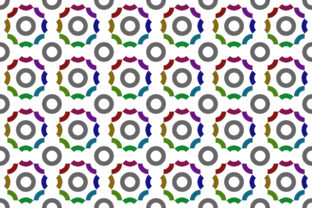
The Colorful Circle Pattern has emerged as a popular choice in graphic design, textile creation, and digital art. This design element is characterized by its vibrant hues, repetitive circular shapes, and dynamic compositions that can be seamlessly tiled or used as standalone illustrations. Its versatility makes it suitable for a wide range of applications—from fashion and interior decoration to digital backgrounds and print materials. Understanding the strengths and limitations of this pattern can help designers and creators make informed decisions about when and how to use it effectively.
What Makes a Colorful Circle Pattern Unique?
A Colorful Circle Pattern typically features multiple overlapping or spaced-out circles in various sizes and colors. These patterns are often designed with a modern, artistic, and retro flair, blending geometric precision with freeform creativity. The use of bold colors such as blue, orange, pink, and white adds vibrancy and visual interest, while the round, abstract, and doodle-like elements contribute to a playful and fun, stylish aesthetic.
One of the key characteristics of the Colorful Circle Pattern is its ability to be seamless, meaning it can repeat without visible seams or disruptions. This quality makes it ideal for use as a background, wallpaper, fabric texture, or decorative border. Whether used in digital illustrations, print media, or textiles, the pattern maintains a cohesive look across different mediums.
Comparison with Similar Design Elements
While the Colorful Circle Pattern offers a unique blend of abstract, artistic, and modern qualities, it’s helpful to compare it with other similar design styles to understand its place in the broader design landscape.
Geometric Patterns: These designs rely heavily on precise shapes and symmetry, often using triangles, squares, and rectangles. While they offer a clean and structured appearance, they may lack the playfulness and vibrancy that the Colorful Circle Pattern provides. However, if a project requires a more formal or professional look, geometric patterns might be a better fit.
Abstract Art: Abstract designs emphasize emotion and expression through non-representational forms. They can be highly complex and varied, which may not always align with the repetitive, seamless nature of the Colorful Circle Pattern. That said, both styles share an emphasis on color and form, making them complementary in certain contexts.
Retro and Vintage Designs: These often incorporate motifs from past decades, such as floral prints, polka dots, and psychedelic patterns. The Colorful Circle Pattern can be seen as a modern reinterpretation of these classic elements, blending retro inspiration with contemporary style.
Applications and Use Cases
The Colorful Circle Pattern is incredibly versatile and can be applied across various industries and formats. Here are some common use cases:
- Digital Backgrounds: The pattern works well as a background for websites, apps, and social media posts. Its light, bright, and colorful nature can enhance user engagement and create an upbeat atmosphere.
- Fashion and Textile Design: Used in fabric patterns, clothing prints, and accessories, the Colorful Circle Pattern adds a creative, artistic, and hipster touch. It's particularly popular in modern, stylish, and fun fashion lines.
- Interior Decor: As a decorative backdrop, wall texture, or tile design, the pattern can bring energy and life to any space. It’s especially effective in areas where a creative, modern, and artistic vibe is desired.
- Print Media and Packaging: The Colorful Circle Pattern can be used in book covers, product packaging, and promotional materials to grab attention and convey a sense of innovation and creativity.
Strengths and Limitations
Like any design element, the Colorful Circle Pattern has its own set of advantages and potential drawbacks. Here’s a balanced overview:
Strengths:
- Versatility: Can be adapted for digital, print, and textile applications.
- Visual Appeal: The vibrant colors, round shapes, and artistic composition make it visually engaging.
- Seamless Repetition: Ideal for backgrounds and textures that need to repeat without interruption.
- Modern and Stylish: Aligns with current trends in artistic, creative, and fashion-forward design.
Limitations:
- Complexity: In some cases, the abundance of colors and overlapping shapes can become overwhelming or distract from the main content.
- Not Always Professional: Depending on the context, the playful and fun nature of the pattern may not be appropriate for formal or corporate environments.
- Design Constraints: When using the pattern in print or digital media, careful consideration must be given to contrast, readability, and overall balance.
When to Choose the Colorful Circle Pattern
The Colorful Circle Pattern is best suited for projects that require a creative, artistic, and fun aesthetic. It works particularly well in the following scenarios:
- Creative Projects: If you're working on something that needs a modern, artistic, and playful feel, this pattern can add the right amount of energy and visual interest.
- Targeting Younger Audiences: The colorful, bright, and whimsical nature of the pattern appeals to younger demographics who appreciate hipster, retro, and fashion-forward designs.
- Interior Spaces: For rooms or spaces that need a decorative, lively, and artistic touch, this pattern can serve as an excellent backdrop or accent.
- Marketing Materials: In campaigns targeting creative, fun, and stylish audiences, the pattern can help stand out and capture attention.
However, if your project requires a more formal, minimalist, or professional look, alternatives like geometric patterns, monochrome designs, or minimalist textures might be more appropriate.
Conclusion
The Colorful Circle Pattern is a powerful and adaptable design element that brings energy, creativity, and modern flair to a wide range of applications. Whether used as a background, texture, fabric print, or decorative element, it offers a unique combination of artistic, abstract, and playful qualities. By understanding its strengths, limitations, and best-fit scenarios, designers and creators can make more informed choices about when and how to incorporate this pattern into their work.