Pattern a Orange: A Versatile Design for Modern and Traditional Spaces
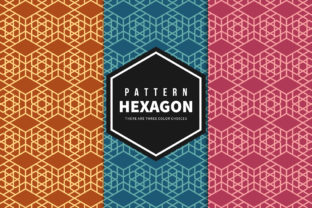
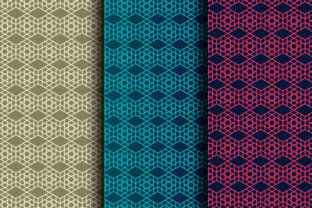
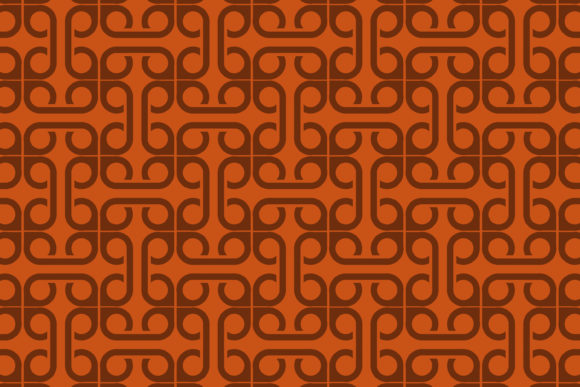
Pattern a Orange is a dynamic design element that combines the vibrancy of orange with geometric precision, making it a popular choice across various creative fields. This rectangular, repeating pattern features abstract shapes, intricate textures, and an ornamental flair that can be adapted for use in wallpaper, fabric, fashion, and more. Whether you're looking to add a pop of color to your home decor or enhance a product with a unique visual identity, Pattern a Orange offers a range of possibilities.
The pattern's versatility stems from its ability to blend modern minimalism with classic motifs. It incorporates elements like tribal patterns, floral accents, and baroque-inspired details, allowing it to fit into a wide array of design contexts. From bohemian interiors to luxury fashion collections, Pattern a Orange serves as a bridge between traditional and contemporary aesthetics.
Why Consider Pattern a Orange?
If you're exploring design options, Pattern a Orange may be of interest due to its adaptability and aesthetic appeal. The repeating theme with rectangular shapes creates a sense of order while the texture adds depth. This makes it ideal for backgrounds, decorative elements, or even as part of larger compositions such as banners or textiles.
Designers often choose this pattern for its ability to evoke a sense of elegance without overwhelming the viewer. Its use of red, orange, and other warm tones can create a welcoming atmosphere, especially in spaces where warmth and energy are desired. Additionally, the inclusion of motifs like paisley, leaf patterns, and mandalas provides a rich visual language that resonates with many cultures and eras.
Benefits and Tradeoffs
One of the key benefits of Pattern a Orange is its compatibility with a variety of surfaces and materials. It can be applied to fabric, wallpaper, digital illustrations, and even ceramics. This makes it suitable for both interior and exterior design applications. The pattern also works well with other design elements, such as damask, Persian motifs, and Chinese-inspired patterns, offering endless customization options.
However, there are some tradeoffs to consider. The complexity of the design might not be suitable for all environments. In minimalist settings, the intricate details could appear too busy or distracting. Additionally, the vibrant colors may not align with more subdued or neutral color schemes, requiring careful planning when integrating this pattern into a larger project.
Situations Where Pattern a Orange Excels
Pattern a Orange is particularly effective in situations where a bold yet balanced visual statement is needed. It works exceptionally well in spaces that aim to convey a sense of luxury, such as high-end fashion, interior design for boutique hotels, or even in the creation of decorative items like rugs and curtains. Its retro and vintage undertones also make it a great fit for projects inspired by Moroccan, Ottoman, or Victorian styles.
In digital contexts, Pattern a Orange can serve as a compelling background for websites, apps, or social media content. Its geometric structure ensures scalability, while the abstract and ornamental elements provide visual interest. For those working in the fields of illustration, textile design, or graphic design, this pattern can be a valuable resource for creating unique and eye-catching visuals.
When Alternatives May Be Worth Considering
While Pattern a Orange has many strengths, it may not be the best choice in every scenario. If simplicity and clarity are priorities, a more subdued or monochromatic pattern might be more appropriate. Similarly, if the goal is to emphasize a specific cultural or historical theme, alternatives like purely Islamic, Aztec, or Chinese designs may offer a more authentic representation.
For individuals seeking a more modern or industrial look, patterns with fewer ornamental details or more streamlined geometric shapes could be preferable. Ultimately, the decision should depend on the intended use, the overall design goals, and the audience being targeted.
Practical Insights for Choosing Pattern a Orange
When deciding whether Pattern a Orange is right for your project, consider the following factors:
- Color Harmony: Ensure that the orange tones complement the existing color palette. Too much contrast can be jarring, while too little can lead to a lack of visual impact.
- Scale and Proportion: The size of the pattern elements can significantly affect how it appears. Larger-scale patterns may work better for wall coverings, while smaller ones can be used for fabric or digital graphics.
- Cultural Context: Given its ties to ethnic and oriental motifs, consider how the pattern will be perceived in different cultural contexts. Some designs may carry symbolic meanings that should be respected.
- Material Compatibility: Not all materials react the same way to printed or woven patterns. Test the pattern on different surfaces before finalizing a design.
By carefully evaluating these aspects, you can determine whether Pattern a Orange aligns with your creative vision and practical needs. Its ability to blend tradition with modernity makes it a compelling choice for those looking to create visually striking and meaningful designs.