Polygonal Background Pattern
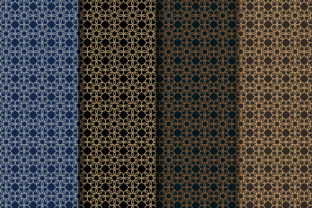
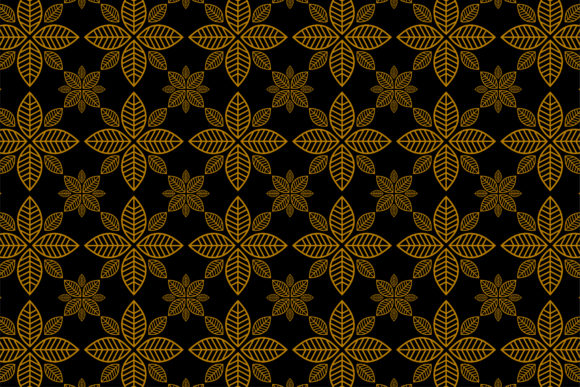
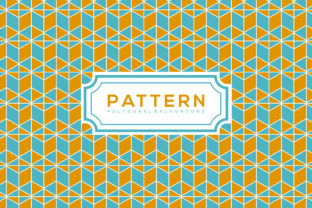
When it comes to modern design, the Polygonal Background Pattern has emerged as a versatile and eye-catching choice. Combining geometric precision with artistic flair, this pattern uses sharp angles and clean lines to create a dynamic visual effect. With its abstract seamless pattern featuring triangles in shades of blue and gold, it offers a balance between structure and creativity that appeals to a wide range of creative professionals.
The seamless nature of this pattern makes it ideal for wrapping surfaces without visible repetition. Whether used as a background in digital projects or as a texture on fabric, it brings a sense of continuity and sophistication. The geometric grid layout provides a sense of order while the triangle shapes add an element of movement and interest.
Where Polygonal Background Pattern Works Best
This pattern is not limited to one application. From textile designs to wallpaper, it can be adapted to various formats. In fashion, the polygonal shape adds a stylish touch to cloth and decorative elements. For business branding, the minimal yet creative look of the pattern helps establish a professional identity without overwhelming the viewer.
In digital design, the abstract nature of the pattern works well for website backgrounds, social media graphics, and illustrations. It also complements monochrome schemes by introducing subtle pops of color through gold and blue accents. This makes it a great choice for branding materials where consistency and recognition are key.
Choosing the Right Design for Your Project
Selecting the right design for your project involves more than just choosing a pattern you like. Consider how it interacts with other elements in your layout. A cooler palette might suit modern interiors, while retro variations with yellow or red could add a decorative flair to old paper or ornament styles.
For print applications, ensure that the pattern maintains clarity at different sizes. When using it for web design, test it across devices to confirm that it remains readable and visually appealing. Pairing it with typography that complements its structure will enhance visual hierarchy and audience engagement.
- Testing font pairings: Use serif fonts for editorial content and sans serif for digital interfaces.
- Evaluating styles: Choose from premium or commercial fonts based on your project needs.
- Readability considerations: Ensure that the pattern doesn’t distract from key messages.
When it comes to licensing, always verify that the font or pattern you choose is appropriate for your use case. Many design assets require commercial licensing, especially when used for branding or packaging purposes.
Practical Applications and Real-World Examples
Imagine using this pattern as a tile design for a modern office space. Its grid layout gives a structured feel, while the triangle shapes add a creative twist. Alternatively, consider using it as a card background for event invitations or marketing materials. The gold and blue color combination brings a luxurious and stylized appearance.
In fashion, this pattern can be woven into fabrics for clothing or accessories. Its abstract nature allows for personalization while maintaining a clean aesthetic. For graphic design, integrating it into mosaic or illustration work can add depth and dimension to your visuals.
Even in packaging design, the seamless quality of the pattern ensures that it wraps around products smoothly without disrupting the layout. This makes it a popular choice among small business owners looking to stand out in a competitive market.
Whether you're designing a website, creating branding materials, or working on textile projects, the Polygonal Background Pattern offers a unique blend of structure and creativity. Its versatility ensures that it can be adapted to fit almost any project, making it a valuable addition to your design toolkit.