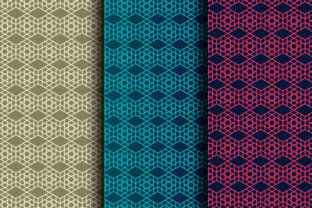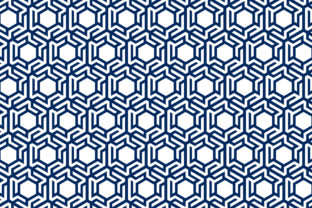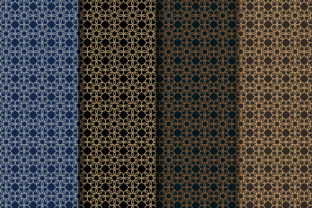
Polygonal Pattern Dark Background: Oriental Geometric Design Template for Modern Creativity
In the ever-evolving world of design and digital art, geometric patterns have become a powerful tool for creating visually striking and meaningful compositions. One such design that has gained popularity is the Polygonal Pattern Dark Background with an Oriental Geometric Pattern Design Template. This vector-based pattern combines modern aesthetics with traditional influences, offering a versatile solution for a wide range of creative applications.
The Essence of Polygonal Patterns
Polygonal patterns are composed of repeating shapes like triangles, squares, octagons, and rhombuses. These elements come together to form intricate, symmetrical designs that can be both abstract and highly structured. The key to their appeal lies in their ability to create depth, rhythm, and visual interest through repetition and variation.
The dark background serves as a strong contrast, allowing the geometric elements to stand out and draw attention. This makes it ideal for use in digital media, graphic design, and even fashion and textile industries. Whether you're working on a website layout, a poster, or a fashion illustration, this type of pattern offers a clean and modern look that is both timeless and contemporary.
What Makes the Oriental Influence Unique?
While polygonal patterns have roots in various cultures, the Oriental Geometric Pattern Design Template brings a distinct cultural and historical context to the table. Inspired by traditional Islamic and Asian art, these patterns often feature complex interlocking forms and symbolic motifs. They reflect a deep connection to nature, mathematics, and spirituality, which adds layers of meaning to the design.
This blend of ancient symbolism with modern design principles creates a unique visual language that resonates across different mediums. From web backgrounds to fabric prints, the Oriental influence ensures that the design remains culturally rich while maintaining its relevance in today's digital landscape.
Why Use a Vector Pattern?
Vector patterns offer several advantages over raster-based images. First and foremost, they are scalable without loss of quality, making them perfect for use in both small and large formats. This is especially important when designing for the web, where resolution and responsiveness are critical factors.
Additionally, vector files are typically smaller in file size, which means faster loading times and less strain on system resources. This makes them an excellent choice for designers who need to work efficiently with limited bandwidth or storage space.
Another benefit of using vector patterns is the ability to customize and manipulate individual elements. Since each shape is defined by mathematical equations rather than pixel data, designers can easily adjust colors, sizes, and positions to suit their specific needs.
Applications of the Polygonal Pattern Dark Background
- Web Design: As a background for websites, banners, or landing pages, this pattern adds a sophisticated and modern feel.
- Fashion and Textiles: Used in fabric prints, clothing designs, and accessories, it offers a stylish and eye-catching aesthetic.
- Graphic Design: Ideal for posters, invitations, and branding materials, it provides a strong visual foundation for creative projects.
- Digital Art: Artists can incorporate this pattern into illustrations, animations, and other digital works to add texture and depth.
- Interior Design: Applied to wall coverings, floor tiles, and decorative elements, it enhances the visual appeal of spaces.
Understanding the Components of the Design
The Polygonal Pattern Dark Background is built around a few core components that contribute to its overall impact:
- Octagons: These eight-sided shapes provide a sense of balance and symmetry, often used as focal points in the design.
- Rhombuses: With their sharp angles and dynamic lines, rhombuses add movement and energy to the composition.
- Gaps and Negative Space: Strategic use of gaps between shapes creates visual breathing room and enhances the overall aesthetic.
- Color Contrast: The dark background allows the lighter geometric elements to pop, ensuring clarity and visual impact.
- Repetition: The repeating nature of the pattern ensures consistency and reinforces the theme throughout the design.
How to Incorporate It Into Your Projects
Whether you're a beginner or an experienced designer, incorporating this pattern into your work can elevate the visual appeal of your projects. Here are some practical tips:
- Layering: Use the pattern as a base layer beneath other design elements to create depth and dimension.
- Customization: Adjust the color scheme, spacing, and scale to match the tone and purpose of your project.
- Combining with Other Elements: Pair the pattern with text, icons, or images to create a cohesive and balanced composition.
- Responsive Design: Ensure that the pattern scales appropriately across different screen sizes and devices.
- Experimentation: Don't be afraid to experiment with different variations of the pattern to find what best suits your vision.
Common Misconceptions About Geometric Patterns
Despite their popularity, geometric patterns are sometimes misunderstood. One common misconception is that they are too rigid or uncreative. In reality, they offer a high degree of flexibility and can be adapted to suit a wide range of styles and purposes.
Another misunderstanding is that geometric patterns are only suitable for formal or industrial settings. While they do have a strong association with modern and minimalist design, they can also be used in more playful and artistic contexts. For example, they can be combined with vibrant colors or organic shapes to create a more eclectic and expressive look.
Conclusion: Embracing the Future of Design
The Polygonal Pattern Dark Background with an Oriental Geometric Pattern Design Template represents a fusion of tradition and innovation. It offers a versatile and visually compelling solution for designers looking to create modern, stylish, and meaningful compositions.
Whether you're working on a digital project, a fashion piece, or a decorative element, this pattern provides a strong foundation for creativity. By understanding its components, applications, and potential, you can harness its power to enhance your designs and make a lasting impression.
As technology continues to evolve, so too will the ways we use and interpret geometric patterns. Embracing these designs not only helps us stay current with trends but also connects us to a broader cultural and artistic heritage that continues to inspire new generations of creators.