Wave Pattern: A Timeless Design with Japanese and Retro Influences
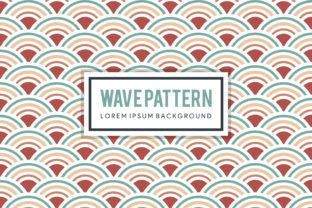
The Wave Pattern is a captivating design element that has stood the test of time, especially when infused with Japanese aesthetics and retro influences. Combining elements like water curves, texture, and color schemes featuring green, red, and yellow, this pattern is ideal for backgrounds, illustrations, and decorative purposes. Whether you're designing a website, creating a fabric print, or looking for a vintage-style wallpaper, understanding the nuances of Wave Pattern can elevate your project significantly.
Understanding the Wave Pattern
The Wave Pattern is more than just a visual motif; it's an expression of movement, fluidity, and nature’s rhythm. Originating from traditional Japanese art and design, it often features flowing lines that mimic the ocean, rivers, or even stormy seas. These designs are commonly used in decorative arts, such as Chinese and Japanese illustrations, textured backdrops, and vintage-style designs.
When combined with retro elements, the Wave Pattern becomes a powerful tool for evoking nostalgia. It’s frequently seen in antique and vintage art, where the flow and ripple effects create a sense of motion and depth. This makes it a popular choice for backgrounds, wallpapers, fabrics, and even valentine cards with floral and ornamental accents.
Common Mistakes When Using Wave Pattern
While the Wave Pattern is versatile, many people make mistakes that can detract from its effectiveness. Here are some common pitfalls:
- Overcomplicating the design: Adding too many colors or textures can overwhelm the viewer. Stick to a cohesive palette—such as blue, green, red, and yellow—to maintain clarity and focus.
- Ignoring scalability: If you plan to use the pattern on large surfaces, ensure it repeats seamlessly. A poorly designed repeat can cause visual disruption.
- Misusing scale: The wave effect works best when the size of the waves is proportionate to the medium they're applied to. For example, a stormy sea pattern might be too intense for a valentine card but perfect for a wallpaper or decor piece.
- Not considering context: A retro Wave Pattern may not fit well with modern minimalist designs. Always consider the overall aesthetic of the project before applying it.
How to Avoid These Mistakes
To avoid these issues, start by defining the purpose of the Wave Pattern. Are you using it for digital illustration, fabric design, or background decor? Once you know the context, choose a color scheme that complements the surrounding elements. Use tools like vector software to experiment with different texture and flow effects before finalizing your design.
Also, always test the pattern repeat on a larger canvas to see how it looks when tiled. This helps identify any irregularities or inconsistencies that could affect the final appearance.
Choosing the Right Style and Color
Selecting the right style and color for your Wave Pattern is crucial. For a Japanese or Chinese style, consider incorporating floral elements, ornaments, and decorative borders in pink, white, or yellow. These colors add warmth and vibrancy to the design.
If you're going for a cool or stormy look, opt for blue tones and darker shades to evoke the feeling of ocean or tsunami waves. For fishing or river themes, green and white combinations work well to represent natural environments.
Remember that antique and vintage styles often use muted colors with subtle texture and billow effects. These can be found in old art pieces or decor items, making them perfect for retro projects.
Where to Find and Use Wave Patterns
There are numerous sources where you can find high-quality Wave Pattern designs. Online marketplaces like Adobe Stock, Shutterstock, and Etsy offer a wide range of vector and illustration options suitable for both digital and print use. Many of these resources also provide free downloads, which can be a great starting point for beginners.
When selecting a Wave Pattern, pay attention to the frame and border details. These can enhance the decoration and give the design a more finished look. For card or fabric designs, ensure that the pattern doesn’t overpower the main content or message.
Additionally, consider the use case. A Wallpaper might benefit from a more dynamic Wave Pattern, while a background for a website should be less intrusive and more subtle.
Final Tips for Working with Wave Patterns
Before finalizing your design, take the time to review the following:
- Test the pattern on different mediums: Ensure it looks good on both digital and physical formats.
- Check for consistency: Make sure the flow and ripple effects are uniform throughout the design.
- Use complementary elements: Pair your Wave Pattern with other decorative elements like flowers, ornaments, or floral motifs for a balanced look.
- Consider the audience: Choose a style and color that resonates with your target demographic.
By keeping these tips in mind, you can create a stunning Wave Pattern that adds visual interest and enhances the overall design of your project. Whether you're working on a Japanese themed illustration, a retro background, or a vintage decor piece, the right Wave Pattern can make all the difference.