Leaf Pattern Soft Green: A Strategic Design Element for Modern Creativity and Branding
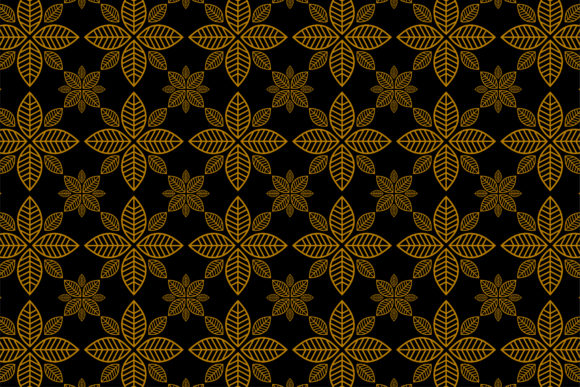
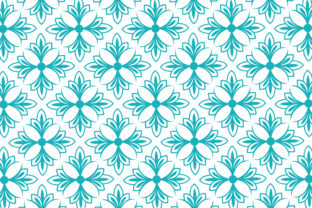
The Leaf Pattern Soft Green is a versatile and visually appealing design element that blends the organic beauty of nature with modern geometric abstraction. This seamless abstract floral pattern, characterized by its soft green hues, white accents, and geometric leaf ornamentation, offers a unique opportunity to elevate visual communication across multiple industries. Whether used in digital or print media, this design can serve as a powerful tool for branding, interior decor, fashion, and more.
At its core, the Leaf Pattern Soft Green is not just an aesthetic choice—it's a strategic one. Its ability to evoke feelings of relaxation, growth, and natural harmony makes it particularly effective in environments where comfort and creativity are key. From decor and textile applications to fashion and graphic design, this pattern can be tailored to support specific goals and messaging.
Strategic Use Cases for Leaf Pattern Soft Green
When considering the Leaf Pattern Soft Green, it's important to align its use with clear objectives. Here are several practical scenarios where this design can be strategically deployed:
- Interior Decor and Home Design: The tropical and botanical elements of the Leaf Pattern Soft Green make it ideal for wallpaper, fabrics, and decorative elements in spaces aiming for a paradise-inspired atmosphere. It can be used in beach-themed resorts, garden cafes, or even in jungle-inspired home interiors.
- Brand Identity and Marketing Materials: Incorporating this abstract and floral design into branding materials can help convey a message of freshness, innovation, and connection to nature. It works well in packaging, stationery, and digital assets for businesses in the fashion, health, or eco-friendly sectors.
- Fashion and Textile Design: The seamless and vector-based nature of the Leaf Pattern Soft Green allows for scalability and adaptability in fabric prints, apparel, and accessories. It pairs beautifully with blue and white color schemes, offering a tropical yet sophisticated look suitable for summer collections or spring-themed designs.
- Digital Media and Graphic Design: As a graphic and illustration resource, the Leaf Pattern Soft Green can be used as a background, texture, or ornament in websites, presentations, and social media content. Its exotic and botanical qualities make it especially useful for Hawaii-related projects, jungle themes, or travel content.
Planning and Implementation Strategies
To ensure the Leaf Pattern Soft Green is used effectively, consider the following planning steps:
- Define Purpose: Before applying the pattern, clarify the goal—whether it’s to enhance brand identity, create a calming environment, or add visual interest to a product. This will guide the decision on how much of the pattern to use and where.
- Assess Context: Evaluate the context in which the pattern will be used. Will it be on a white background or paired with other colors? How does it complement existing design elements? These factors will influence the final outcome.
- Consider Scale and Repetition: The seamless nature of the Leaf Pattern Soft Green makes it easy to repeat without visible seams. However, overuse can lead to clutter. Balance is key—consider using it as a subtle texture rather than a dominant feature.
- Test Across Mediums: Ensure the pattern looks good in both digital and print formats. Test different resolutions and color modes (e.g., RGB vs. CMYK) to avoid unexpected results.
Risks of Improper Application
While the Leaf Pattern Soft Green offers many benefits, it also carries potential risks if not applied thoughtfully. Overusing the pattern can lead to visual fatigue, especially in environments where simplicity and clarity are important. Additionally, if the pattern doesn't align with the overall branding or message, it may confuse the audience or dilute the intended impact.
Another risk is the lack of customization. While the Leaf Pattern Soft Green is a beautiful design on its own, it may need to be modified to suit specific needs. For instance, in textile applications, the pattern may need to be adjusted for fabric weight, dye compatibility, or wear resistance.
Practical Examples and Decision-Making Guidance
Here are a few real-world examples of how the Leaf Pattern Soft Green can be applied with intention:
- Home Interior Design: A decor company could use the Leaf Pattern Soft Green as a wallpaper in a beach-themed living room. Pairing it with palm motifs and white furniture would create a cohesive tropic look.
- Product Packaging: A skincare brand targeting eco-conscious consumers might incorporate the Leaf Pattern Soft Green into their packaging to reinforce themes of nature, growth, and renewal.
- Website Design: A travel blog focused on Hawaii could use the Leaf Pattern Soft Green as a background for their homepage, enhancing the paradise vibe while maintaining readability through proper contrast and spacing.
When making decisions about using the Leaf Pattern Soft Green, ask yourself these questions:
- Does this pattern align with my brand’s identity and values?
- Will it enhance the user experience or distract from it?
- Is there a clear purpose for its inclusion, or is it being used simply for aesthetics?
- Have I tested it across all relevant platforms and mediums?
Long-Term Value and Creative Exploration
The Leaf Pattern Soft Green is more than just a decorative element—it's a creative tool that can contribute to long-term success when used intentionally. By integrating it into your design strategy, you can create memorable experiences that resonate with your audience and differentiate your brand in a competitive market.
Whether you're designing textile patterns, graphic interfaces, or interior spaces, the Leaf Pattern Soft Green offers a unique blend of botanical charm and modern sophistication. Its versatility makes it a valuable asset in any designer’s toolkit, provided it's used with purpose and precision.
In conclusion, the Leaf Pattern Soft Green represents a strategic choice that can enhance visual storytelling, support brand positioning, and foster emotional connections with audiences. When approached with care and intention, it can become a powerful component of your creative and business strategies.